


At present, global air traffic management (ATM) technology innovation has entered a period of rapid advancement. The integration and application of cutting-edge technologies such as artificial intelligence, next-generation communication networks, satellite navigation enhancement, digital twins, and multi-source sensing fusion with core ATM operations continue to deepen, reshaping the technical architecture and operational models of ATM systems. The deployment of new operational technologies—including Performance-Based Navigation (PBN), Trajectory-Based Operations (TBO), and remote virtual control—is driving a shift toward refined and dynamic airspace resource allocation. Meanwhile, the rapid development of emerging aviation sectors such as the low-altitude economy and Urban Air Mobility (UAM), coupled with the compounding risks of extreme weather and cybersecurity, imposes higher technical demands on the adaptability, compatibility, safety, and resilience of ATM systems. The industry still faces deep-seated challenges, including insufficient breakthroughs in core technologies, limited cross-domain integration, slow commercialization of technological achievements, and imperfect mechanisms for collaborative innovation across the industrial chain. These bottlenecks urgently need to be addressed through technological innovation and industrial collaboration.
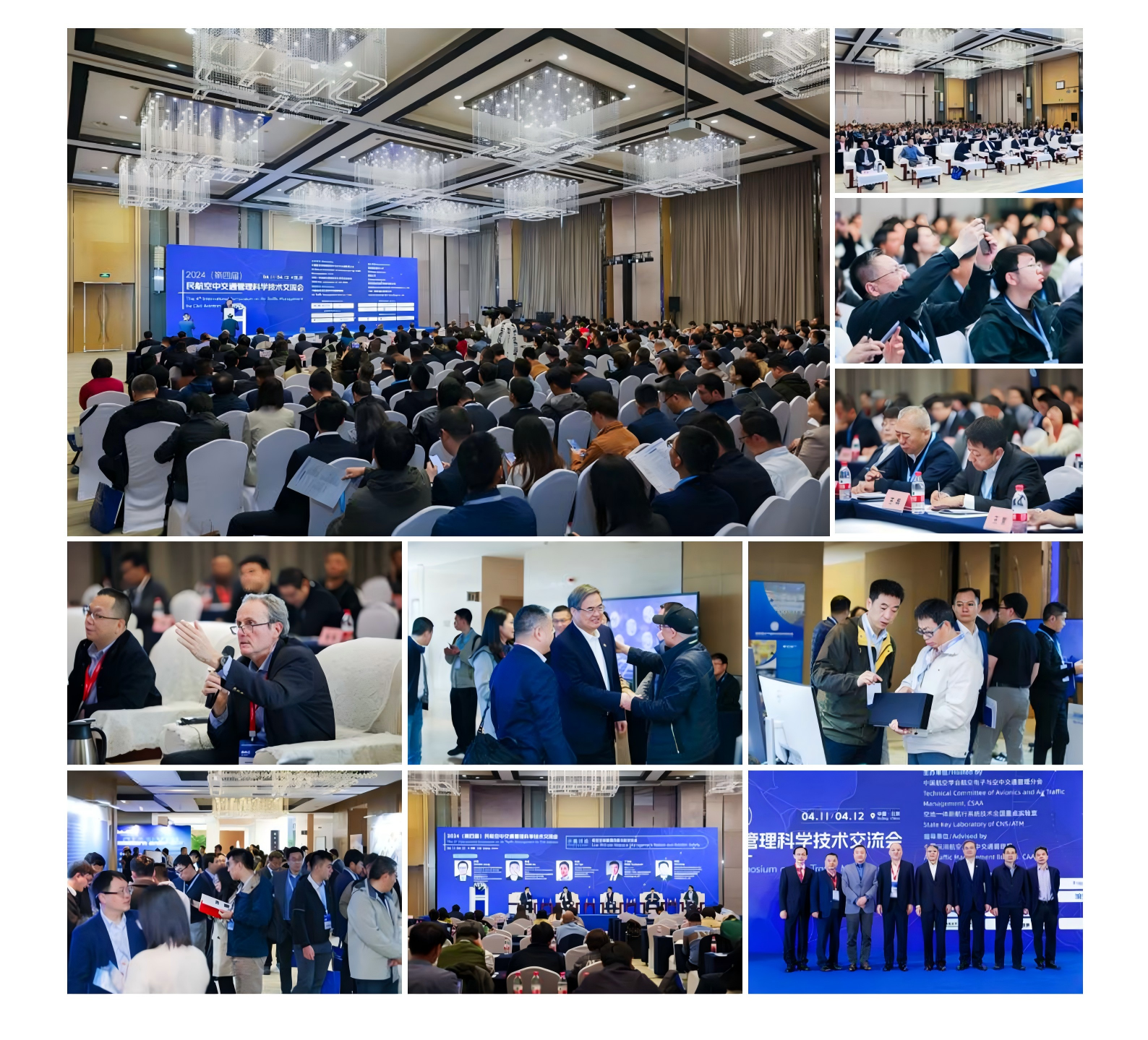
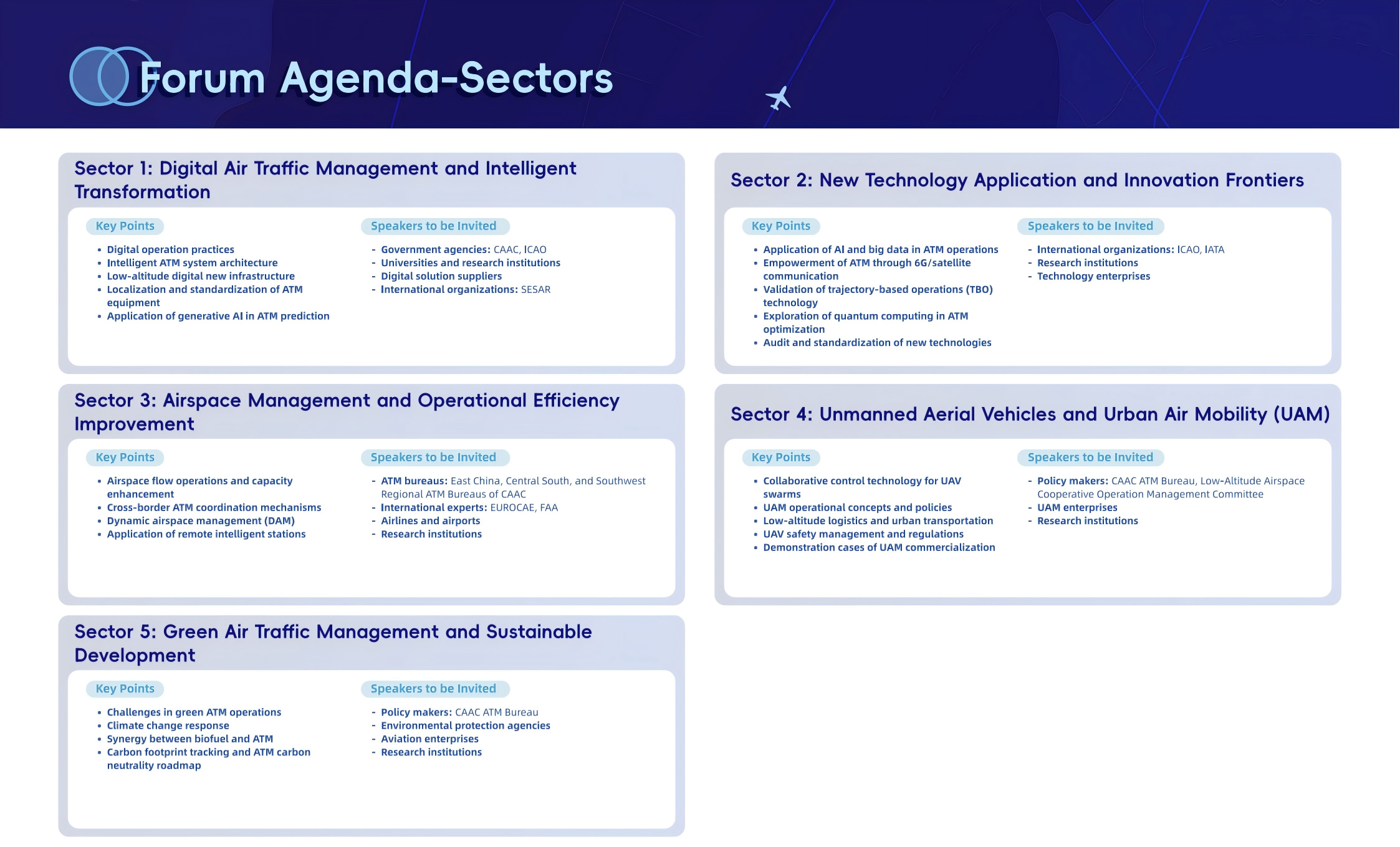
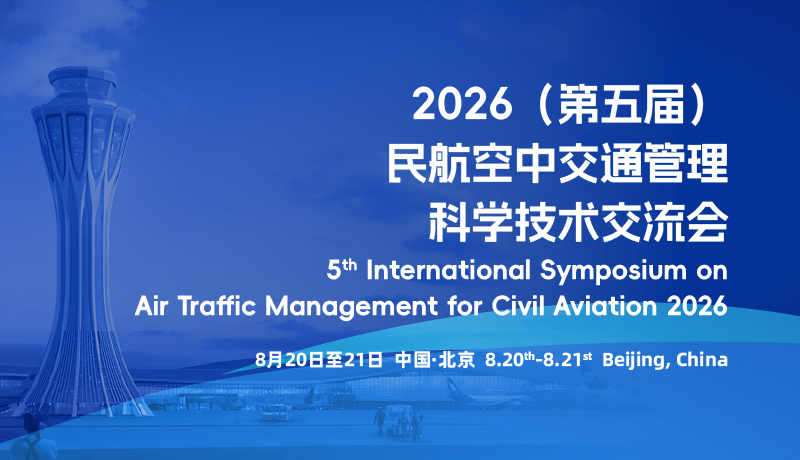
Against this backdrop, the 5th International Symposium on Air Traffic Management for Civil Aviation 2026 will be held on August 20–21 in Beijing. The symposium will focus on the core issues and frontier directions of ATM technology development, bringing together technical expertise and innovation resources from government, industry, academia, research, and application sectors. Centered on driving ATM system upgrades through technological innovation, the symposium will explore pathways and practices in key ATM technology R&D, equipment system innovation, technology integration and application, and industrial ecosystem building. It aims to foster deep integration of the technology innovation chain, industrial chain, and talent chain in the ATM field, contributing to the development of a world-class ATM system that is technologically advanced, independent and controllable, safe and efficient, and collaboratively integrated.